
The Qi Charging Deep Dive
Posted by Logan on 24th Sep 2025
A few months ago we did a deep dive into the world of wireless Android Auto and CarPlay adapters. During that process we quickly realized that one downside to going wireless would be that you also lose that extra charge bump you would get when you plugged in your phone. Considering that our primary device attachment is centered around Apple's MagSafe technology, it was pretty obvious that a solution for charging was already close at hand. In fact we have offered a version of our device attachment that holds an Apple magsafe charger for some time.
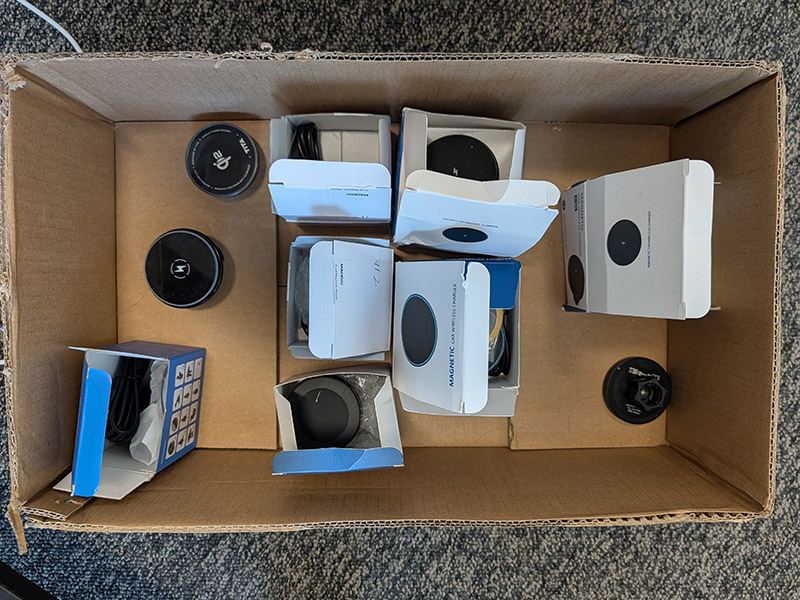
While that attachment is a decent option, it has the drawback of requiring our customers to provide their own charger. We'd prefer that you simply receive your mount and it's ready to go. Thus begins our quest to find the best Qi Charger attachment available. Much like the wireless adapters, you'll find a similar scenario for these online. Endless options from unknown brands with low trust that you are purchasing a quality product. Naturally, we had only one choice, buy a bunch and put them to the test.
Background Info
Before we dig into the chargers, we need to cover some background information on Qi charging. Qi (pronounced “chee”) is a universal standard for wireless charging. It was created to unify and standardize the wireless charging marketplace to maximize device compatibility and safety. The standard is now in version 2, which actually includes Apple's MagSafe technology. This means any company is able to use the Qi2 standard and include MagSafe functionality in their devices. Although other companies can't use the MagSafe name, they are free to use the Qi2 spec, allowing for secure magnetic attachment to Qi chargers and other magnetic accessories. Google recently released the Pixel 10, which is the first non-Apple major US manufacturer to include Qi2 in their devices. We suspect that soon all major devices will be equipped with Qi2. The other benefit of the Qi2 spec is that it calls for 15 watts of wireless charging. This was possible with Qi 1, but wasn't a requirement.
Charger Features
So what are we looking for in a wireless charger? It seems pretty straightforward that the most important thing to look at would be charge rate. This turns out to be a multi faceted issue. We saw pretty quickly that just because one charger can deliver good power when you first plug it in, heat build up will tend to slow the charge rate over time. The phone plays a role in this as well, as it is the phone which manages the charging process. The max charge rate you'll see will ultimately be limited by your device. When shopping for phones, you'll see features like “Fast Wireless Charging” or “Qi2 ready” on the devices retail page. These typically indicate that the device can handle higher rates of charging, but all phones will have some form of thermal throttling to protect the phone from overheating. In our testing, only devices that were known to be Qi2 or Qi2 Ready would show a peak charge rate of at least 15 watts.
Testing
Measuring charge rate was actually more challenging than we thought it would be. On the iOS front, access to battery information is not granted to 3rd party applications. On Android, limited access is granted, but the calculations aren't extremely accurate. For some testing we used an Android app called Ampere. This will show you your charge rate in mA. You can convert that to watts using the formula:
Watts = Volts * Milliamps / 1000
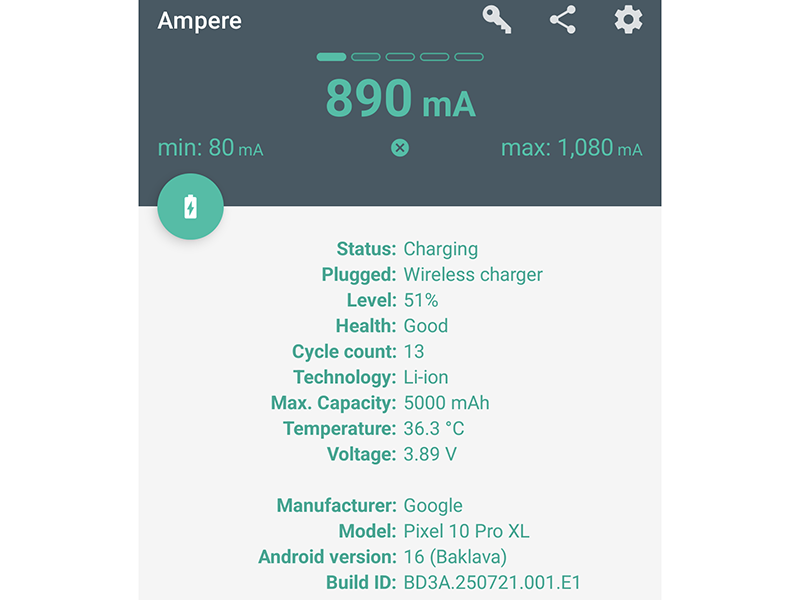
This will show you the current charge rate in Watts, but one thing that immediately became clear is that our devices are constantly monitoring and adjusting what charge rate they will receive based on many factors such as heat, current charge, and other parameters dictated by the device itself. So since the devices will manage the charge speed our focus changed from hitting high rates, to ensuring that the 15 watt spec rate could be achieved by the charger.
We were able to create a test setup that gave us solid insight into this by showing simply the output wattage at the power source rather than what the phone is actually calling for from the charger. We used a Jackery portable battery as the power source. The convenient thing about the Jackery battery is that it has a display that shows the output wattage.
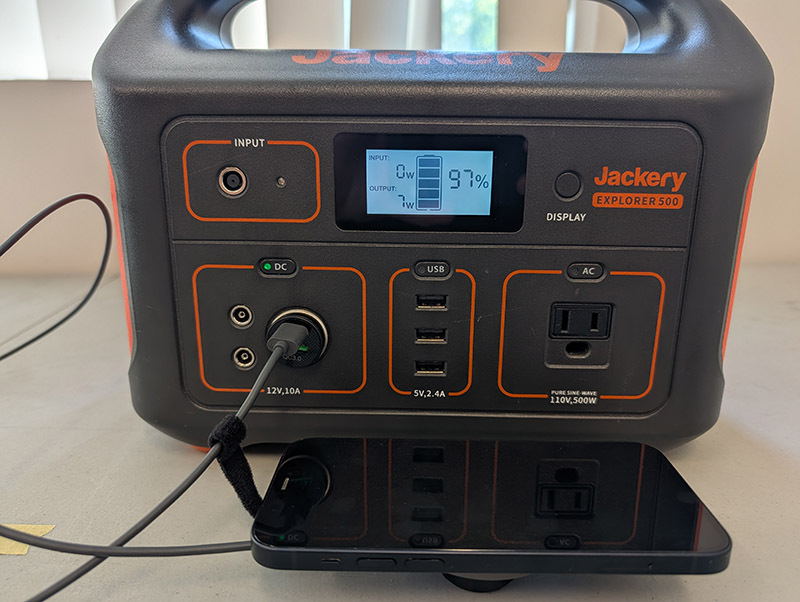
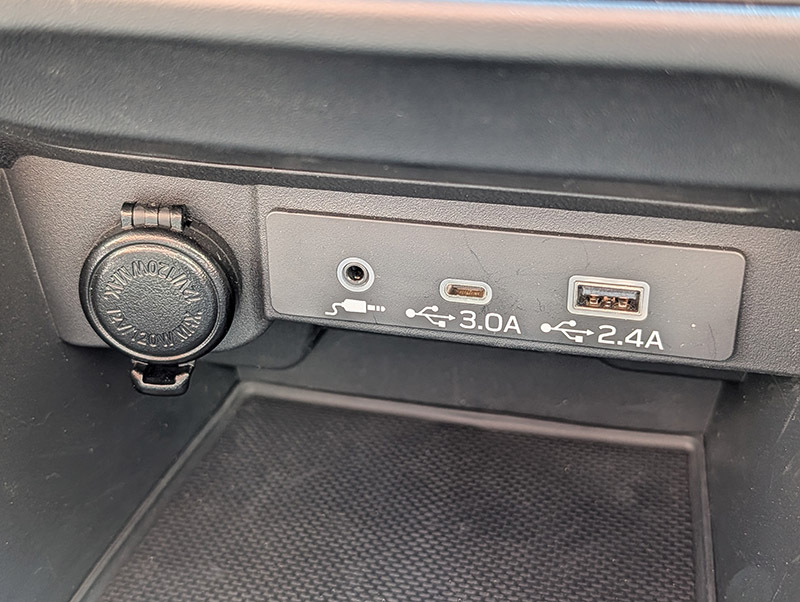
The key is that while there may be a standard for how fast a Qi2 device can charge, the power source in vehicles will vary. The most sure fire source for 15 watt charging is the 12V socket (or cigarette lighter socket). These often will provide much higher power than USB ports in a car. For example, in my car the 12v socket is rated for up to 120 Watts, while the highest power USB port is the USB-C port which provides up to 3 Amps at 5 Volts for up to 15 Watts. Older USB ports may be limited to 2.4A or even 1A.
Conclusion
This testing allowed us to confirm that only Qi2 rated devices would reach 15 Watts. From there we chose a form factor that would handle heat the best. We were looking for a charger with an aluminum housing as it would provide better heat dissipation performance than plastic which is a thermal insulator. There was only one charger that fit the bill, and these are available in our shop now!
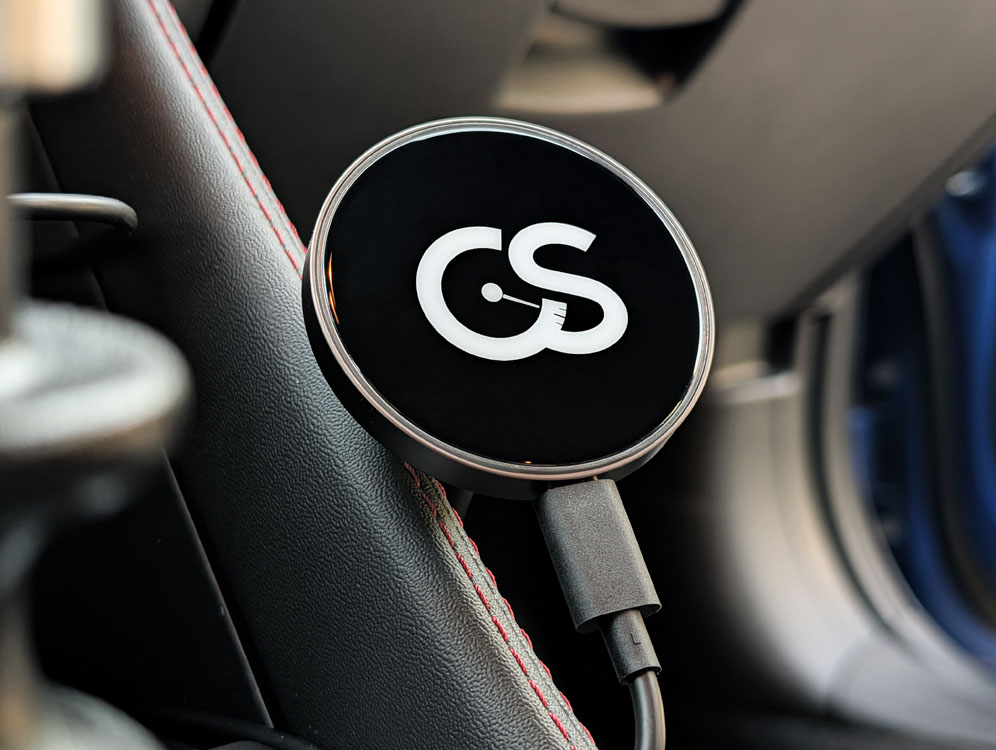
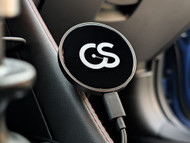
This charger showed speeds up to 17 Watts output on the Jackery. The aluminum case is ideal for heat dissipation, which will improve charge rates. The glass front ensures optimum performance of the magnetic charging field and assists in heat management. The charger has one USB-C port. The face and back feature blue LED backlights to indicate its charging status. We do not include a cable with the charger as the cable needs specific vehicles will vary, and we don't feel the need to introduce more USB cables into the world.
Shop Now